There are many products and services that can help unbanked and underbanked workers secure financial services. These are safer and cheaper options than Alternative Financial Services to conduct financial transactions.
Click on any of the following links to jump to a section:
- How do I claim the Recovery Rebate Credit?
- Credit Reports and Credit Repair
- Prepaid Cards
- Basic Checking Accounts
- No-Fee Check Cashing and Low-Cost Loans
- Payment Apps
- Digital Wallets
Credit Reports and Credit Repair
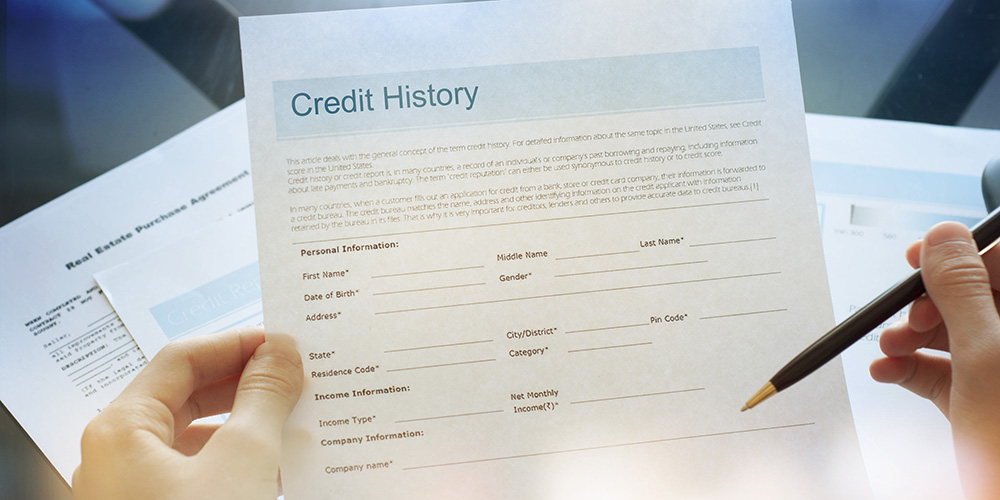
Outreach Campaigns interested in sharing financial education with lower-wage workers often find that a worker’s credit rating is a barrier to opening a bank account or joining affordable homeownership programs. Some programs focus on connecting such workers to credit repair programs as a first step to improve their financial circumstances.
Under federal law, anyone can request one free credit report from each of the three nationwide consumer credit reporting companies every 12 months. Outreach Campaigns can help clients order credit reports online through AnnualCreditReport.com and print them immediately, or they can provide request forms for people to submit by mail. Requests made by mail or phone take 15 days to process. During the tax season, Outreach Campaigns can partner with a credit counseling agency or credit counselors can train tax preparers to share basic information with workers. Counseling can take place before or after taxes are completed and may cover how to understand a credit report, how credit scores are used, and how tax refunds can be used to help improve credit history.
Alternatively, Outreach Campaigns can invite credit counselors to volunteer to talk with clients one-to-one. The National Foundation for Credit Counseling has affiliates across the country that provide financial education classes, counseling, and debt management assistance. The Financial Counseling Association of America also has a network of certified credit counselors as well as online consumer resources.
Prepaid Cards
Prepaid cards or Stored Valued Cards (SVCs) electronically track a user’s spending. Common uses include gift cards, phone cards, cards used to receive public benefits (such as child support or unemployment payments), and payroll cards. Prepaid cards can also be an essential tool to reduce the use of costly alternative financial services. These cards are like a debit card and can be used to make purchases and cash withdrawals, but are not linked to a bank account.
Some commercial tax preparers, as well as a few banks, offer prepaid cards as an alternative to RALs or RACs as a way for people without bank accounts to receive their refund faster by having it directly deposited onto a card. Outreach Campaigns can partner with a local credit union or bank to supply prepaid cards at a free tax preparation site. Workers who already use payroll prepaid cards may be able to have their tax refund directly deposited into their account. The transaction fees and restrictions for prepaid cards vary greatly: some SVCs are a good alternative to RALs/RACs while others cost the same as or more than RALs/RACs. Consumer protections are not guaranteed for these cards, so careful research is needed before Outreach Campaigns consider promoting them.
To learn more about consumer-friendly prepaid cards, see Consumer Financial Protection Bureau’s Prepaid cards and other prepaid accounts and Nerdwallet’s Prepaid Debit Cards: What They Are and How They Work.
Basic Checking Accounts
Partner with a bank or credit union to offer free or low-cost checking accounts. A checking account will allow for direct deposit of paychecks and save money that people may be spending on alternative financial services.
Outreach Campaigns can also join a Bank On coalition which works to remove some of the barriers that prevent lower-and moderate-income workers from using mainstream financial services.

No-Fee Check Cashing and Low-Cost Loans
Outreach Campaigns running free tax filing programs can partner with a financial institution to offer free check cashing for clients. A bank can offer letters or “coupons” for a tax site to give to clients that they can take with them to a local branch to cash their tax refunds. Campaigns can also develop partnerships with a bank or credit union to offer low-cost loan options as an alternative to pay-day lending services.
Payment Apps
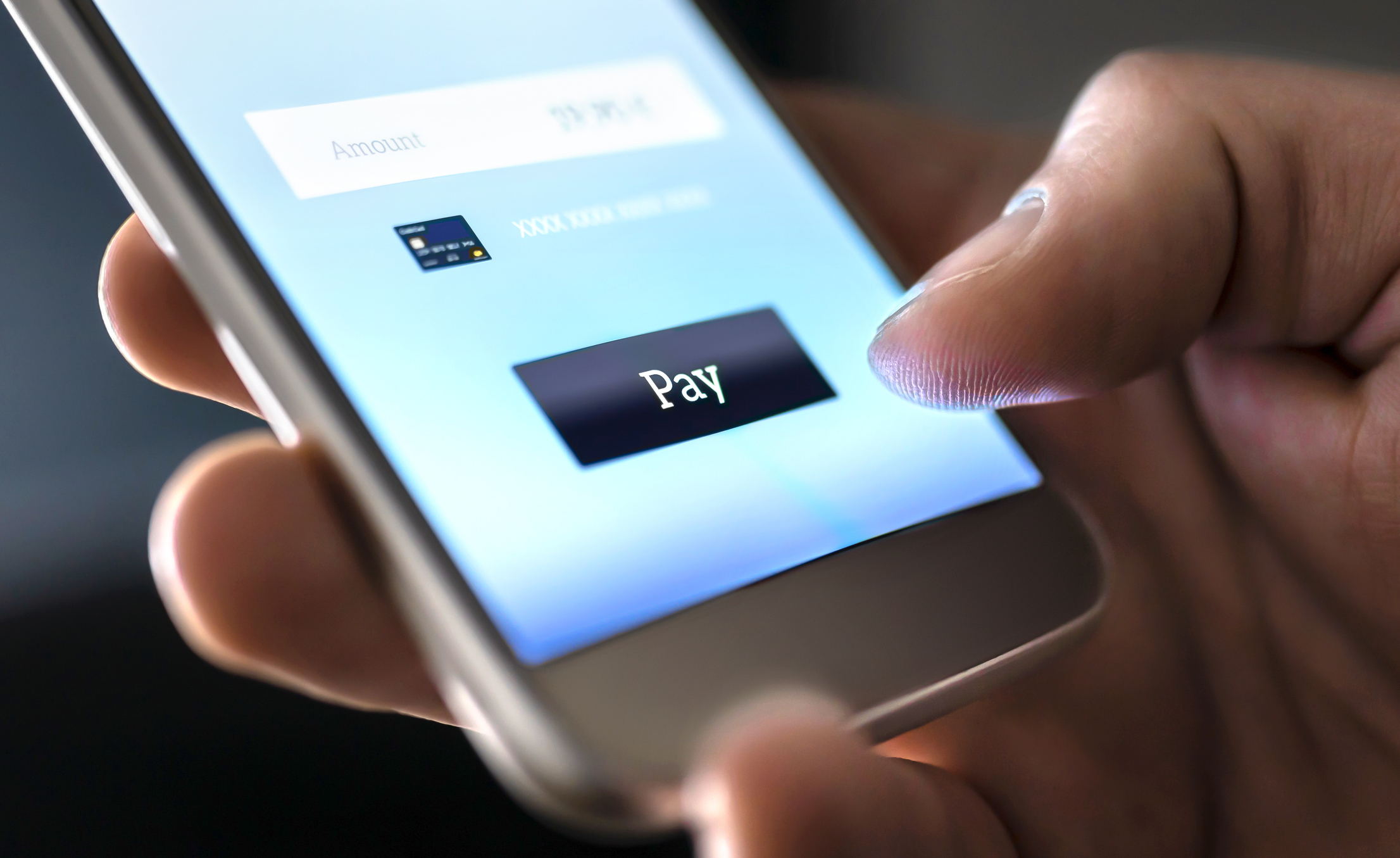
Online payment platforms allow people to securely send or receive money between individuals or businesses. Payment apps generally have fewer fees than alternative financial services. Outreach Campaigns can inform people about different payment app options that are available.
Popular platforms like PayPal, CashApp, and Venmo can allow one to withdraw funds in the account, link the account to a debit or credit card, and send and receive money to other users. Platforms generally require an email address or phone number to send and receive money.
Digital Wallets
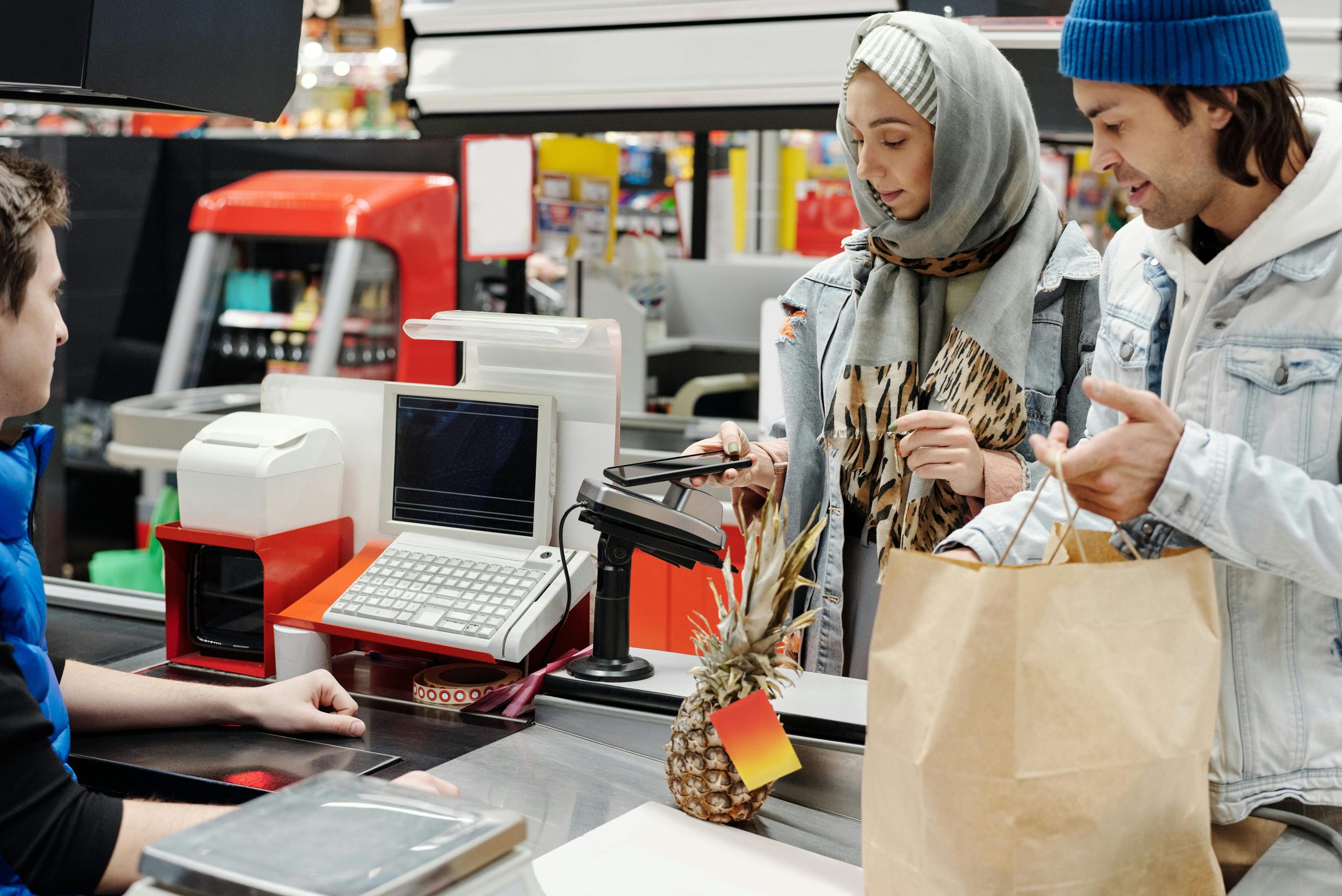
Outreach Campaigns can also help clients learn about digital wallets. A digital wallet (or an e-wallet) allows one to securely save payment information in one place on a mobile phone. An e-wallet can be used to electronically send and receive money. Examples include Apple Pay, Google Pay, and Samsung Pay.
To create a digital wallet, one must download the app on a cell phone and create an account with their personal information (name, email address, and phone number). The final step is to link the digital wallet to a preferred payment method such as a debit card, credit card, bank account, or prepaid card.